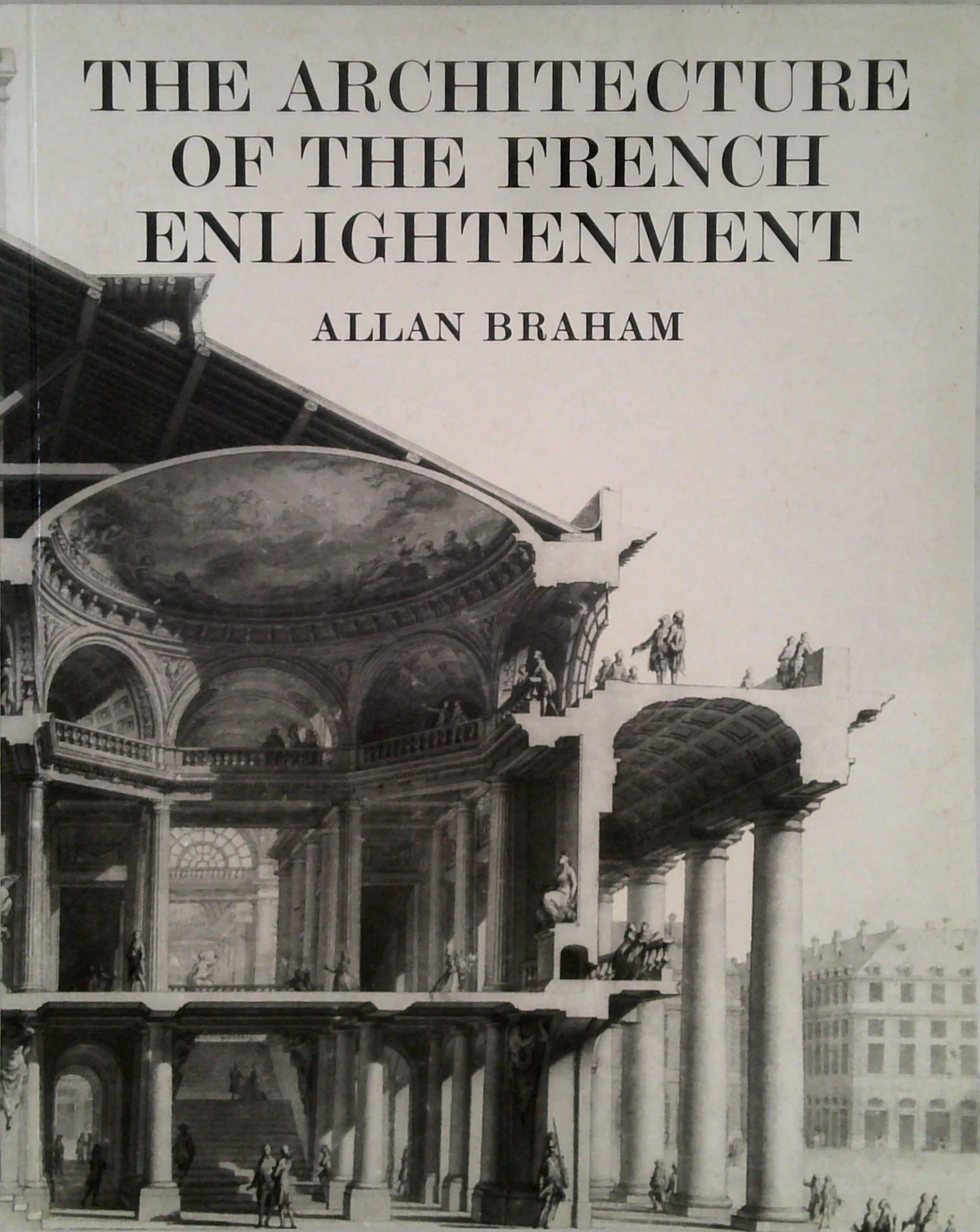
The Architecture Of The French Enlightenment
Author: Allan Braham
Binding: Paperback
Published: The University of California Press, Berkeley, 1989
Condition:
Book: Good
Jacket: No dust jacket - cloth/board in good condition
Pages: Good
Markings: No markings
Condition remarks: little signs of wear; pages in good condition
This authoritative volume chronicles the profound shifts in design and urban planning that defined 18th-century France. It presents a comprehensive analysis of the period's influential architects and their innovative contributions to classical and neoclassical forms. Allan Braham's meticulous research illustrates how philosophical ideals of reason and order directly shaped the monumental structures and public spaces of the era. The text details the intellectual currents and societal changes that underpinned these architectural transformations, offering a rich understanding of the built environment. It argues for the enduring legacy of these designs, which continue to influence architectural thought and practice today.
Original: $17.72
-70%$17.72
$5.32Product Information
Product Information
Shipping & Returns
Shipping & Returns
Description
Author: Allan Braham
Binding: Paperback
Published: The University of California Press, Berkeley, 1989
Condition:
Book: Good
Jacket: No dust jacket - cloth/board in good condition
Pages: Good
Markings: No markings
Condition remarks: little signs of wear; pages in good condition
This authoritative volume chronicles the profound shifts in design and urban planning that defined 18th-century France. It presents a comprehensive analysis of the period's influential architects and their innovative contributions to classical and neoclassical forms. Allan Braham's meticulous research illustrates how philosophical ideals of reason and order directly shaped the monumental structures and public spaces of the era. The text details the intellectual currents and societal changes that underpinned these architectural transformations, offering a rich understanding of the built environment. It argues for the enduring legacy of these designs, which continue to influence architectural thought and practice today.