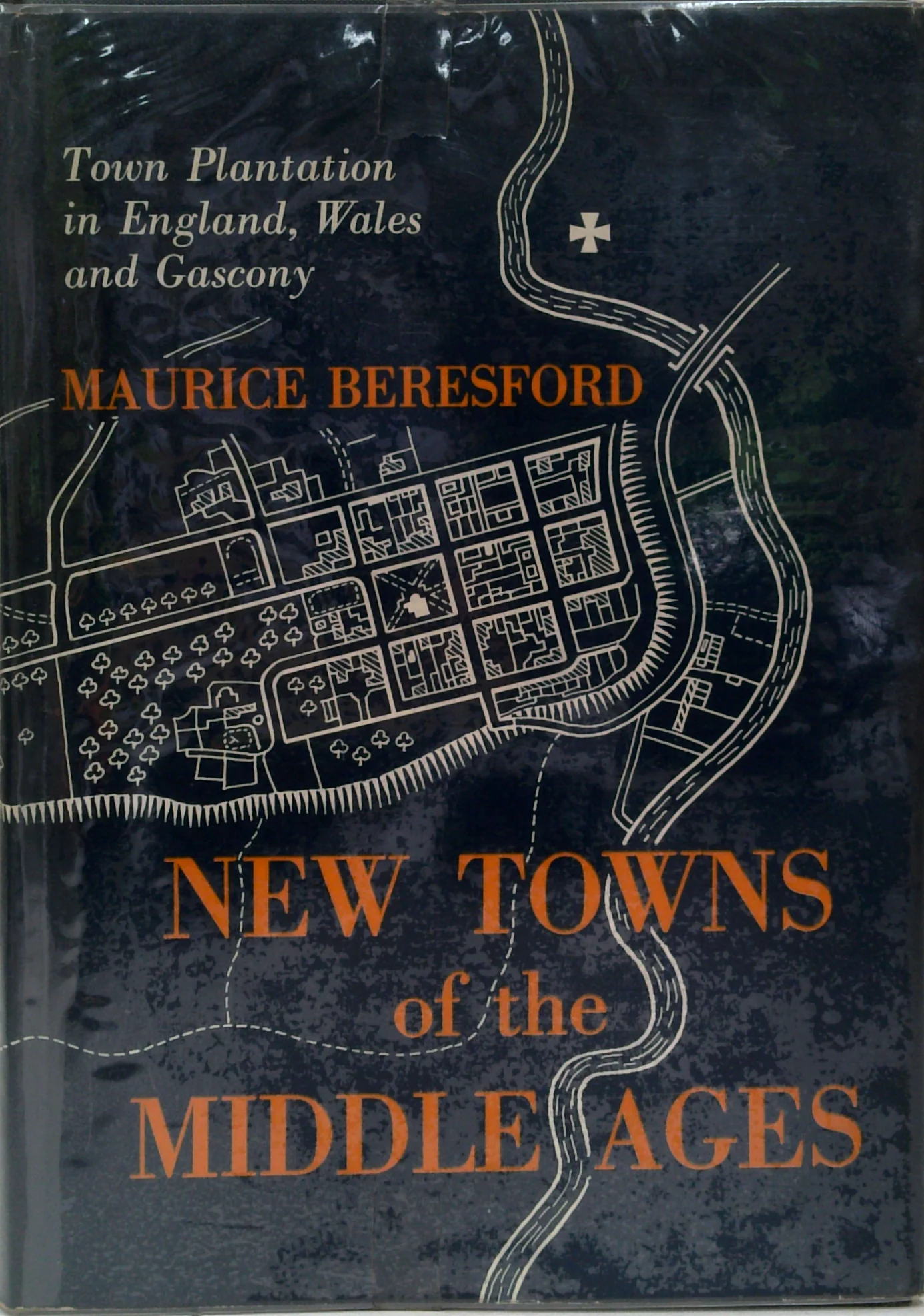
New Towns Of The Middle Ages: Town Plantation In England, Wales And Gascony
Author: Maurice Beresford
Binding: Hardback
Published: LUTTERWORTH PRESS, 1967
Condition:
Book: Good
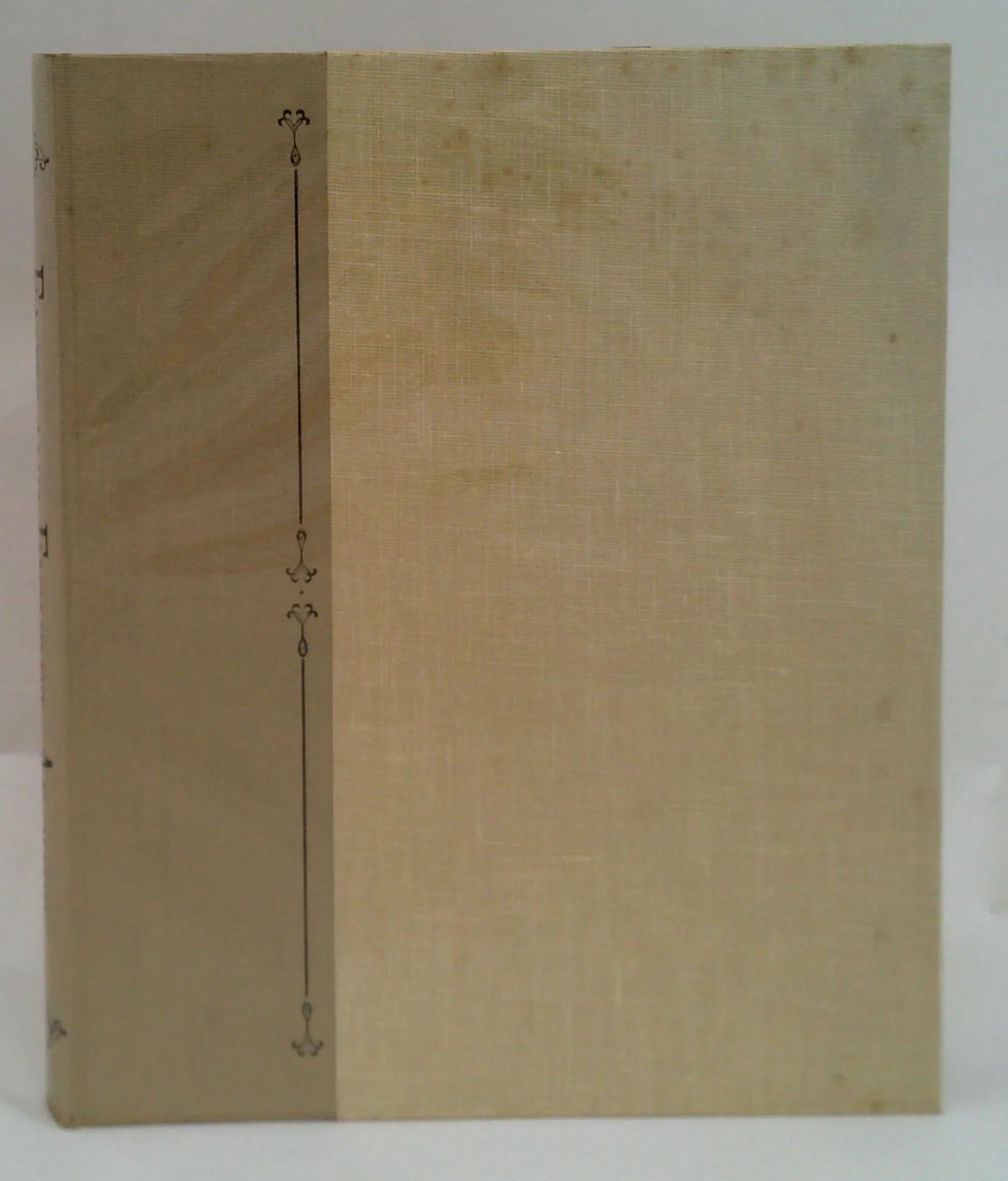
Jacket: Wear and tear
Pages: Tanning and foxing
Markings: No markings
Condition remarks: Fold-out maps intact.
Maurice Beresford's New Towns Of The Middle Ages: Town Plantation In England, Wales And Gascony presents a meticulous historical account of urban development during a pivotal era. This scholarly work chronicles the systematic establishment of new towns across England, Wales, and Gascony, detailing the economic, social, and political motivations behind their creation. Beresford uncovers the intricate processes of medieval town planning, illustrating how these planned settlements reshaped the landscape and influenced regional economies. The book argues for the profound impact of these 'planted' towns on the demographic and administrative structures of the Middle Ages, offering a comprehensive understanding of their enduring legacy. It provides an authoritative examination of a crucial aspect of medieval European history, making it an essential resource for historians and urban studies scholars.
Product Information
Product Information
Shipping & Returns
Shipping & Returns
Description
Author: Maurice Beresford
Binding: Hardback
Published: LUTTERWORTH PRESS, 1967
Condition:
Book: Good
Jacket: Wear and tear
Pages: Tanning and foxing
Markings: No markings
Condition remarks: Fold-out maps intact.
Maurice Beresford's New Towns Of The Middle Ages: Town Plantation In England, Wales And Gascony presents a meticulous historical account of urban development during a pivotal era. This scholarly work chronicles the systematic establishment of new towns across England, Wales, and Gascony, detailing the economic, social, and political motivations behind their creation. Beresford uncovers the intricate processes of medieval town planning, illustrating how these planned settlements reshaped the landscape and influenced regional economies. The book argues for the profound impact of these 'planted' towns on the demographic and administrative structures of the Middle Ages, offering a comprehensive understanding of their enduring legacy. It provides an authoritative examination of a crucial aspect of medieval European history, making it an essential resource for historians and urban studies scholars.