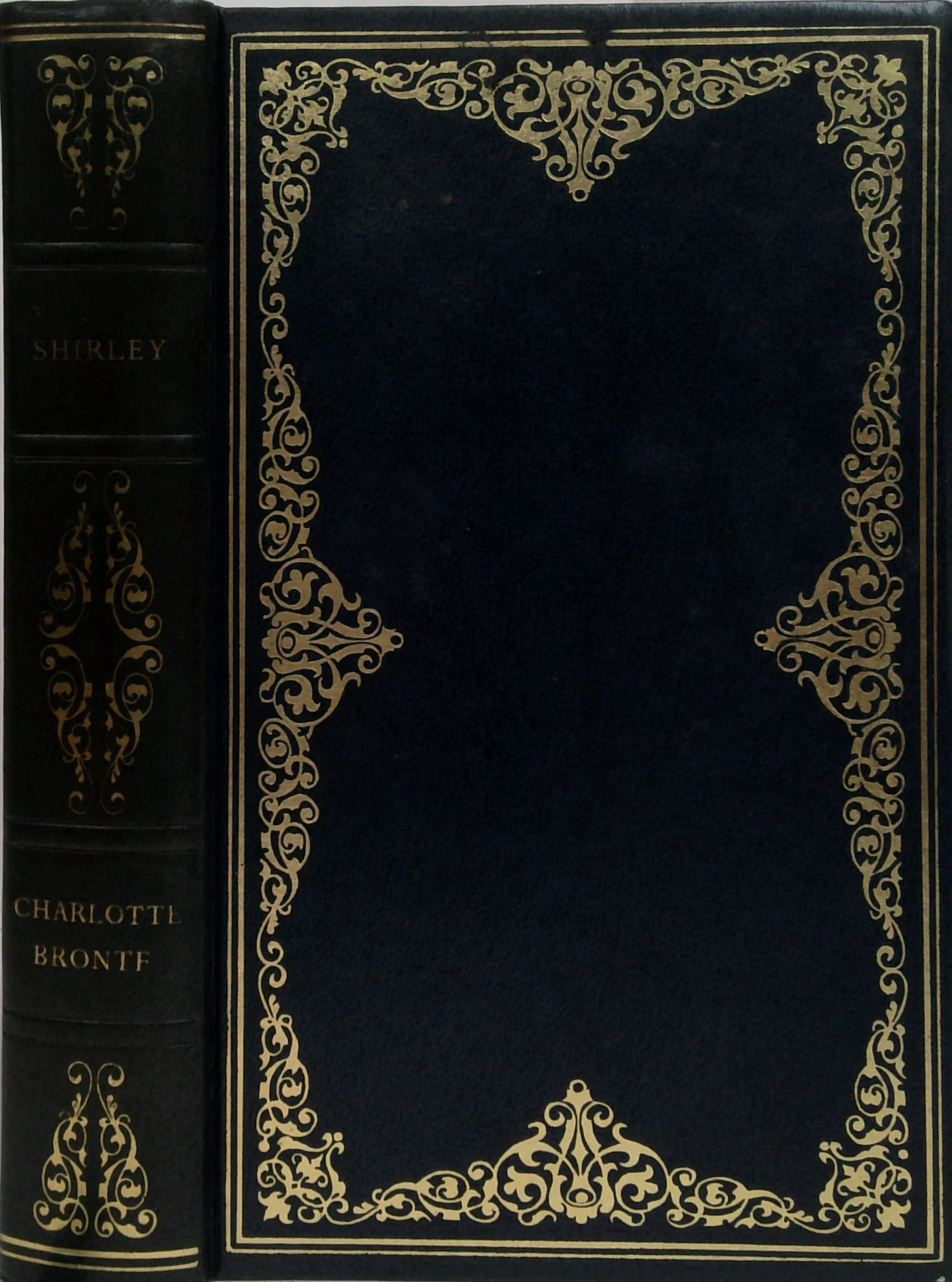
Shirley: A Tale
Author: Charlotte Bronte
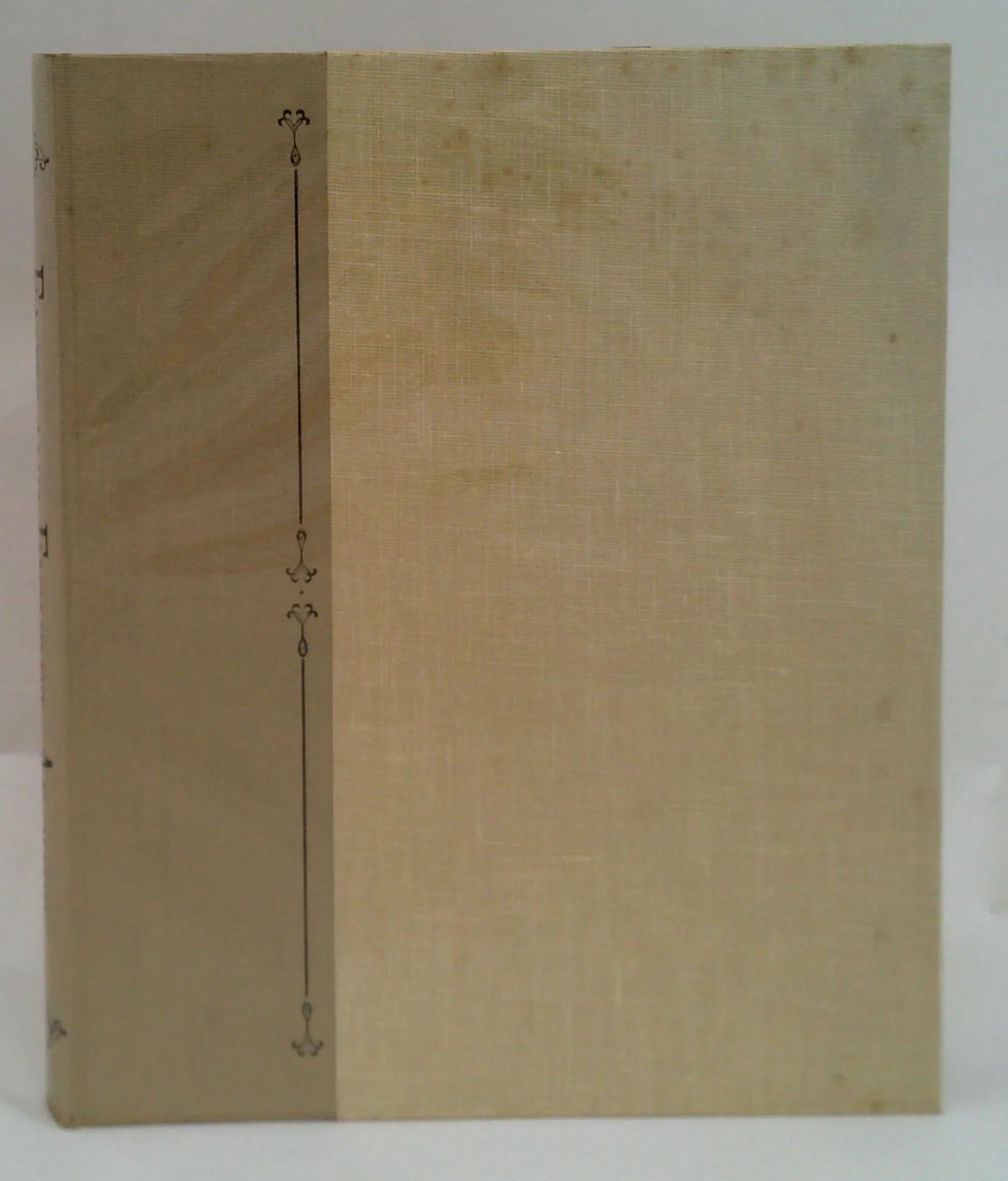
Binding: Hardback
Published: HERON BOOKS
Condition:
Book: Fair
Jacket: N/A
Pages: Good
Markings: No markings
Charlotte Brontë's Shirley is a compelling Victorian novel that chronicles the lives of two contrasting women in Yorkshire during the Napoleonic Wars and the industrial unrest of the Luddite rebellion. This historical fiction presents a vivid portrait of societal change, economic hardship, and the burgeoning feminist spirit of the era. Brontë masterfully illustrates the challenges faced by women seeking independence and purpose in a restrictive society, juxtaposing their personal struggles against a backdrop of national turmoil. The narrative details the complexities of love, friendship, and class divisions with a keen psychological insight and a passionate, often critical, tone. It ultimately argues for greater autonomy and intellectual freedom for women, making it a significant work in 19th-century literature.
Product Information
Product Information
Shipping & Returns
Shipping & Returns
Description
Author: Charlotte Bronte
Binding: Hardback
Published: HERON BOOKS
Condition:
Book: Fair
Jacket: N/A
Pages: Good
Markings: No markings
Charlotte Brontë's Shirley is a compelling Victorian novel that chronicles the lives of two contrasting women in Yorkshire during the Napoleonic Wars and the industrial unrest of the Luddite rebellion. This historical fiction presents a vivid portrait of societal change, economic hardship, and the burgeoning feminist spirit of the era. Brontë masterfully illustrates the challenges faced by women seeking independence and purpose in a restrictive society, juxtaposing their personal struggles against a backdrop of national turmoil. The narrative details the complexities of love, friendship, and class divisions with a keen psychological insight and a passionate, often critical, tone. It ultimately argues for greater autonomy and intellectual freedom for women, making it a significant work in 19th-century literature.