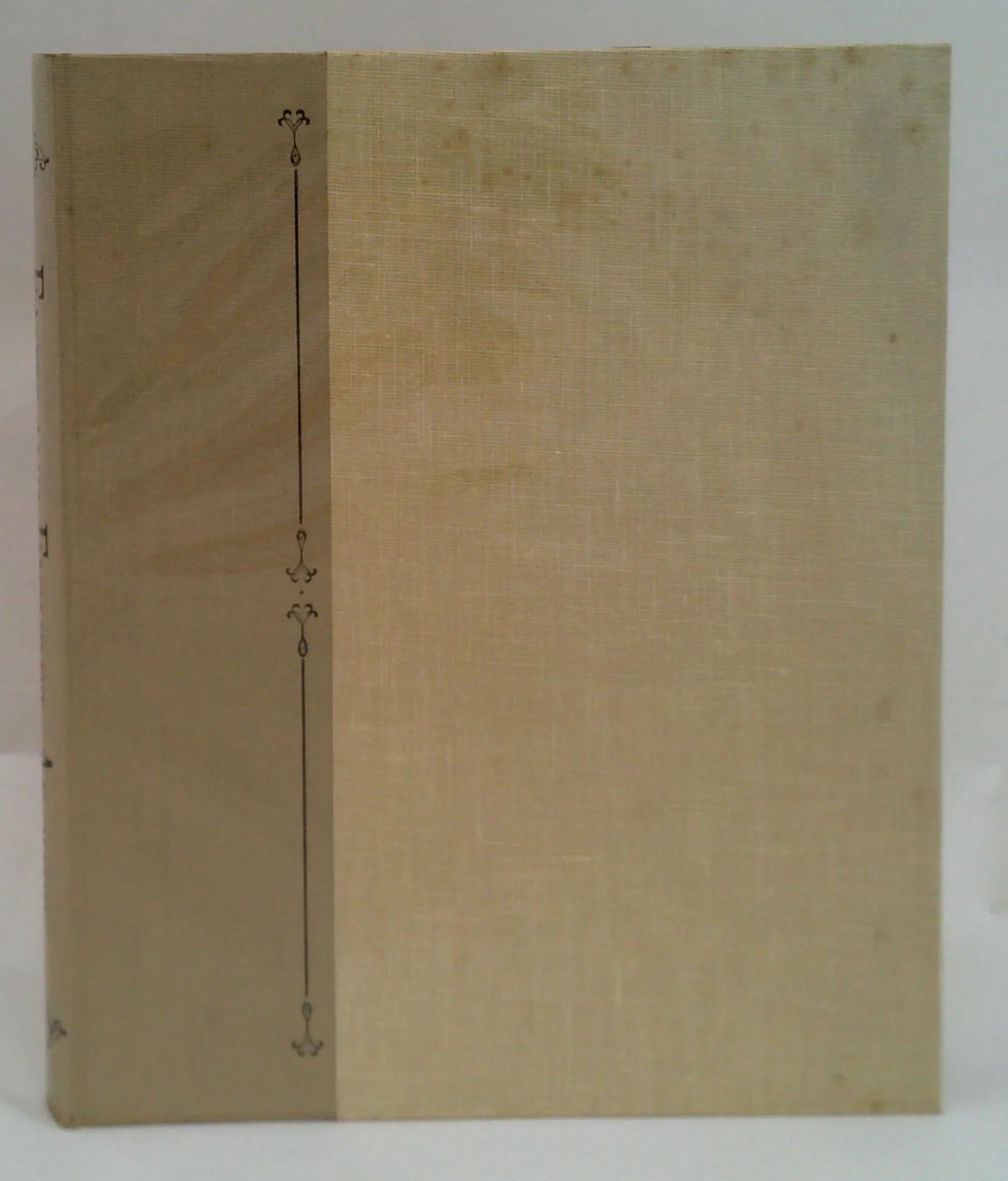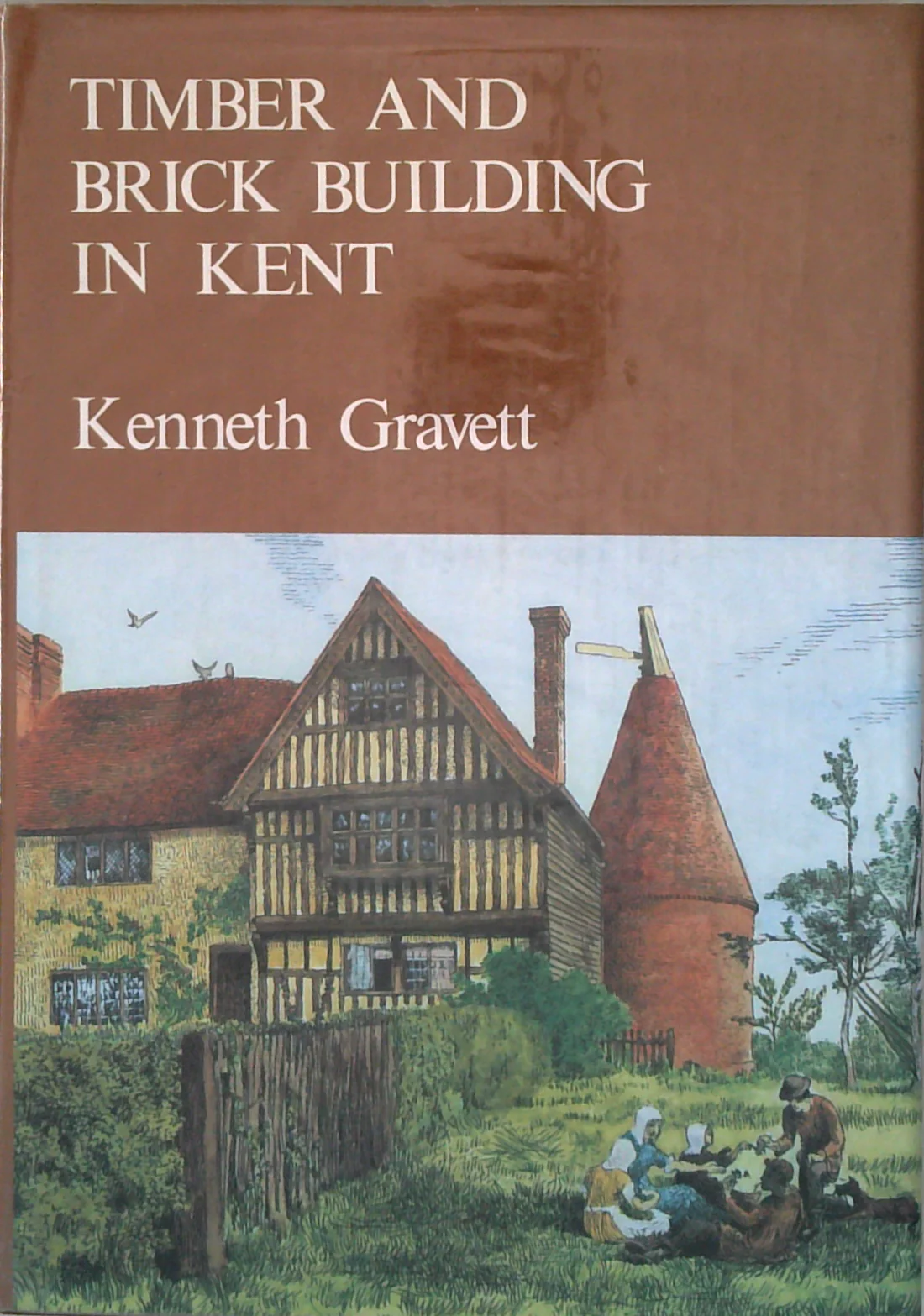
Timber And Brick Building In Kent
Author: Kenneth Gravett
Binding: Hardback
Published: Phillimore, 1981
Condition:
Book: Very good
Jacket: Very good
Pages: Yellowed
Markings: Previous owner
Condition remarks: Previous owner inscription on fly title
Timber And Brick Building In Kent presents a meticulous examination of historical construction methods prevalent in the Kent region. This authoritative work chronicles the evolution of building practices, detailing the distinct characteristics and materials that define Kentish architecture through the centuries. Gravett's scholarship uncovers the intricate craftsmanship and societal influences that shaped these structures, from medieval timber frames to later brick constructions. The text illustrates how local resources and cultural shifts impacted the design and durability of homes and public buildings across the county. It serves as an essential resource for architectural historians, preservationists, and anyone interested in the rich heritage of English vernacular building.
Original: $6.64
-70%$6.64
$1.99Product Information
Product Information
Shipping & Returns
Shipping & Returns
Description
Author: Kenneth Gravett
Binding: Hardback
Published: Phillimore, 1981
Condition:
Book: Very good
Jacket: Very good
Pages: Yellowed
Markings: Previous owner
Condition remarks: Previous owner inscription on fly title
Timber And Brick Building In Kent presents a meticulous examination of historical construction methods prevalent in the Kent region. This authoritative work chronicles the evolution of building practices, detailing the distinct characteristics and materials that define Kentish architecture through the centuries. Gravett's scholarship uncovers the intricate craftsmanship and societal influences that shaped these structures, from medieval timber frames to later brick constructions. The text illustrates how local resources and cultural shifts impacted the design and durability of homes and public buildings across the county. It serves as an essential resource for architectural historians, preservationists, and anyone interested in the rich heritage of English vernacular building.