Temples Of Convenience
Author: Lucinda Lambton
Binding: Paperback
Publisher: ST. MARTIN'S PRESS, -
Condition remarks:
Book: Good
Jacket: No dust jacket
Pages: Good
Markings: Previous owner
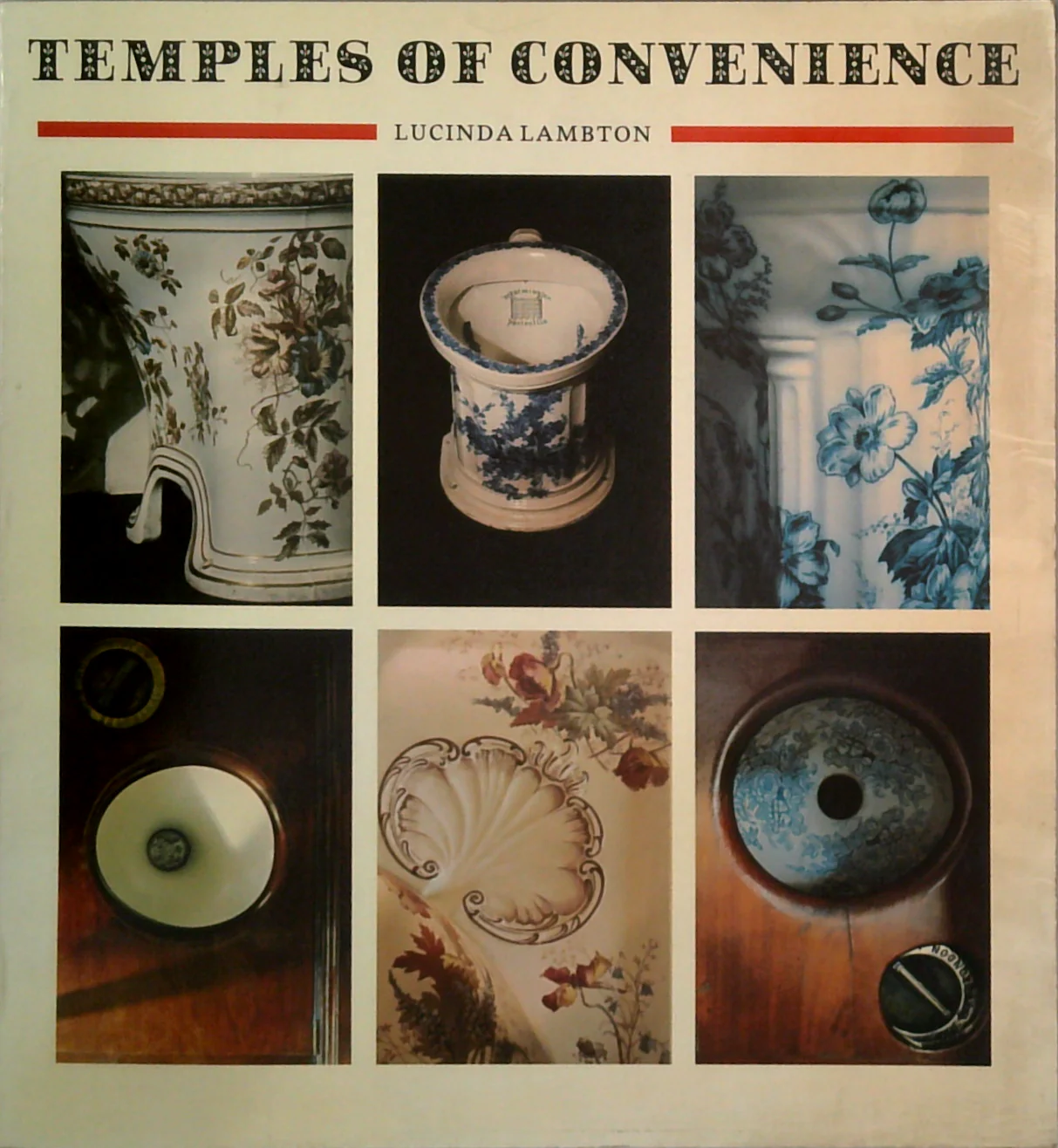
Condition remarks: Condition as shown in image
Lucinda Lambton’s Temples Of Convenience offers a witty and insightful architectural survey, chronicling the often-overlooked history and design of public lavatories across Britain. This engaging work uncovers the social significance and surprising artistry behind these utilitarian structures, presenting a unique perspective on urban development and cultural norms. The narrative details a fascinating evolution, from grand Victorian edifices to more modern interpretations, illustrating how these spaces reflect broader societal changes. With a keen eye for detail and a humorous tone, Lambton instructs readers on the hidden beauty and historical importance of these everyday necessities, arguing for their recognition as significant architectural contributions.
Product Information
Product Information
Shipping & Returns
Shipping & Returns
Description
Author: Lucinda Lambton
Binding: Paperback
Publisher: ST. MARTIN'S PRESS, -
Condition remarks:
Book: Good
Jacket: No dust jacket
Pages: Good
Markings: Previous owner
Condition remarks: Condition as shown in image
Lucinda Lambton’s Temples Of Convenience offers a witty and insightful architectural survey, chronicling the often-overlooked history and design of public lavatories across Britain. This engaging work uncovers the social significance and surprising artistry behind these utilitarian structures, presenting a unique perspective on urban development and cultural norms. The narrative details a fascinating evolution, from grand Victorian edifices to more modern interpretations, illustrating how these spaces reflect broader societal changes. With a keen eye for detail and a humorous tone, Lambton instructs readers on the hidden beauty and historical importance of these everyday necessities, arguing for their recognition as significant architectural contributions.