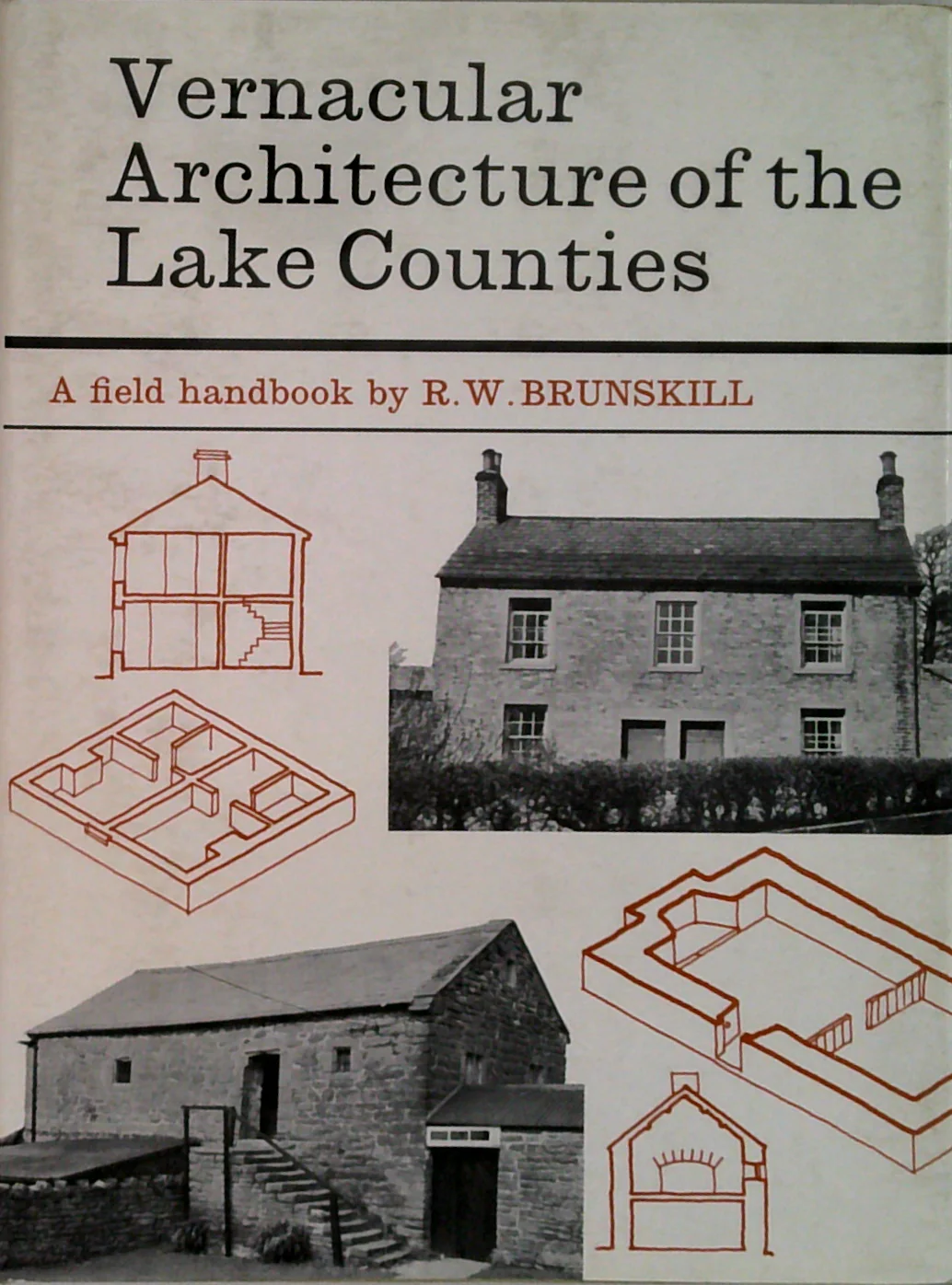
Vernacular Architecture Of The Lake Counties
Author: R.W. Brunskill
Binding: Hardback
Published: Faber & Faber Ltd, London, 1974
Condition:
Book: Good
Jacket: Worn/faded, no tears
Pages: Good
Markings: No markings
Condition remarks: mildew on spine and edges of dust jacket, dust jacket flaps and first couple inside front and back pages; dust jacket rubbed; in overall good condition
This authoritative field handbook presents a comprehensive study of the traditional building styles found throughout the Lake Counties. R. W. Brunskill meticulously chronicles the distinctive characteristics of local architecture, from farmhouses to cottages, illustrating how regional materials and historical practices shaped these structures. The text details construction techniques, material usage, and the evolution of design, offering invaluable insights for enthusiasts and scholars alike. It serves as an essential guide for understanding the rich architectural heritage of the area, providing a detailed framework for identification and appreciation. This volume argues for the enduring significance of vernacular forms, making it a cornerstone reference for architectural history.
Product Information
Product Information
Shipping & Returns
Shipping & Returns
Description
Author: R.W. Brunskill
Binding: Hardback
Published: Faber & Faber Ltd, London, 1974
Condition:
Book: Good
Jacket: Worn/faded, no tears
Pages: Good
Markings: No markings
Condition remarks: mildew on spine and edges of dust jacket, dust jacket flaps and first couple inside front and back pages; dust jacket rubbed; in overall good condition
This authoritative field handbook presents a comprehensive study of the traditional building styles found throughout the Lake Counties. R. W. Brunskill meticulously chronicles the distinctive characteristics of local architecture, from farmhouses to cottages, illustrating how regional materials and historical practices shaped these structures. The text details construction techniques, material usage, and the evolution of design, offering invaluable insights for enthusiasts and scholars alike. It serves as an essential guide for understanding the rich architectural heritage of the area, providing a detailed framework for identification and appreciation. This volume argues for the enduring significance of vernacular forms, making it a cornerstone reference for architectural history.