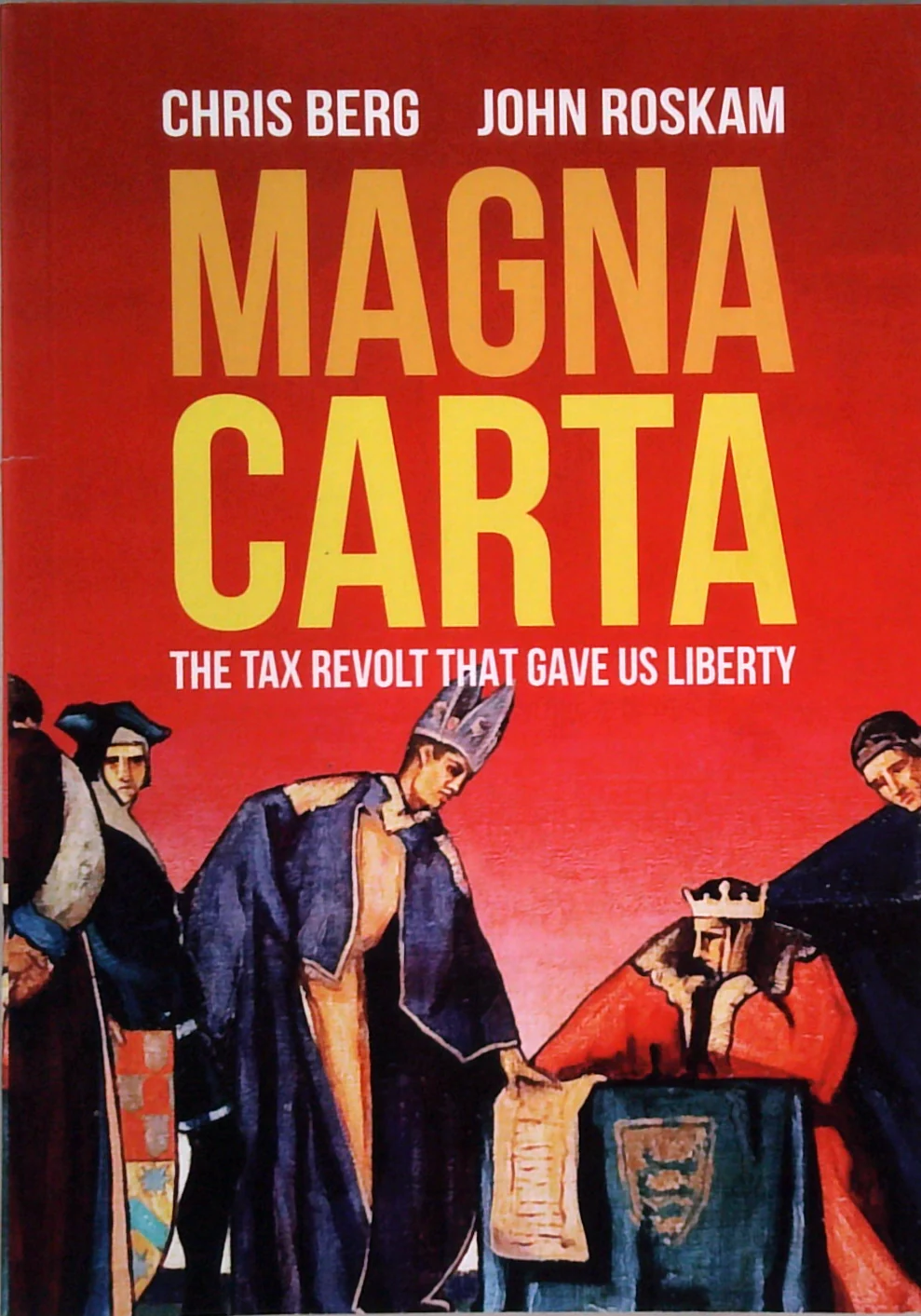
Magna Carta: The Tax Revolt That Gave Us Liberty
Author: Chris Berg And John Roskam With Stephanie Forrest
Binding: Paperback
Publisher: Institute of Public Affairs, 2015
Condition remarks:
Book: Good
Jacket: No dust jacket
Pages: Good
Markings: No markings
Condition remarks: Condition as shown in image
This compelling historical analysis, Magna Carta: The Tax Revolt That Gave Us Liberty, chronicles the pivotal 13th-century events that shaped Western legal and political thought. It argues that the Magna Carta, often celebrated as a cornerstone of individual freedoms, originated from a fierce dispute over taxation and royal power. The narrative presents a fresh perspective on how this foundational document established precedents for limited government and the rule of law. Readers will find a meticulously researched account that illustrates the enduring legacy of this medieval charter on modern democratic principles. The work details the complex interplay of feudal lords, a beleaguered king, and the burgeoning concept of rights, offering a vibrant and insightful examination of a transformative period.
Original: $5.31
-70%$5.31
$1.59Product Information
Product Information
Shipping & Returns
Shipping & Returns
Description
Author: Chris Berg And John Roskam With Stephanie Forrest
Binding: Paperback
Publisher: Institute of Public Affairs, 2015
Condition remarks:
Book: Good
Jacket: No dust jacket
Pages: Good
Markings: No markings
Condition remarks: Condition as shown in image
This compelling historical analysis, Magna Carta: The Tax Revolt That Gave Us Liberty, chronicles the pivotal 13th-century events that shaped Western legal and political thought. It argues that the Magna Carta, often celebrated as a cornerstone of individual freedoms, originated from a fierce dispute over taxation and royal power. The narrative presents a fresh perspective on how this foundational document established precedents for limited government and the rule of law. Readers will find a meticulously researched account that illustrates the enduring legacy of this medieval charter on modern democratic principles. The work details the complex interplay of feudal lords, a beleaguered king, and the burgeoning concept of rights, offering a vibrant and insightful examination of a transformative period.